


Blog
How Vapour Devices Are Designed?

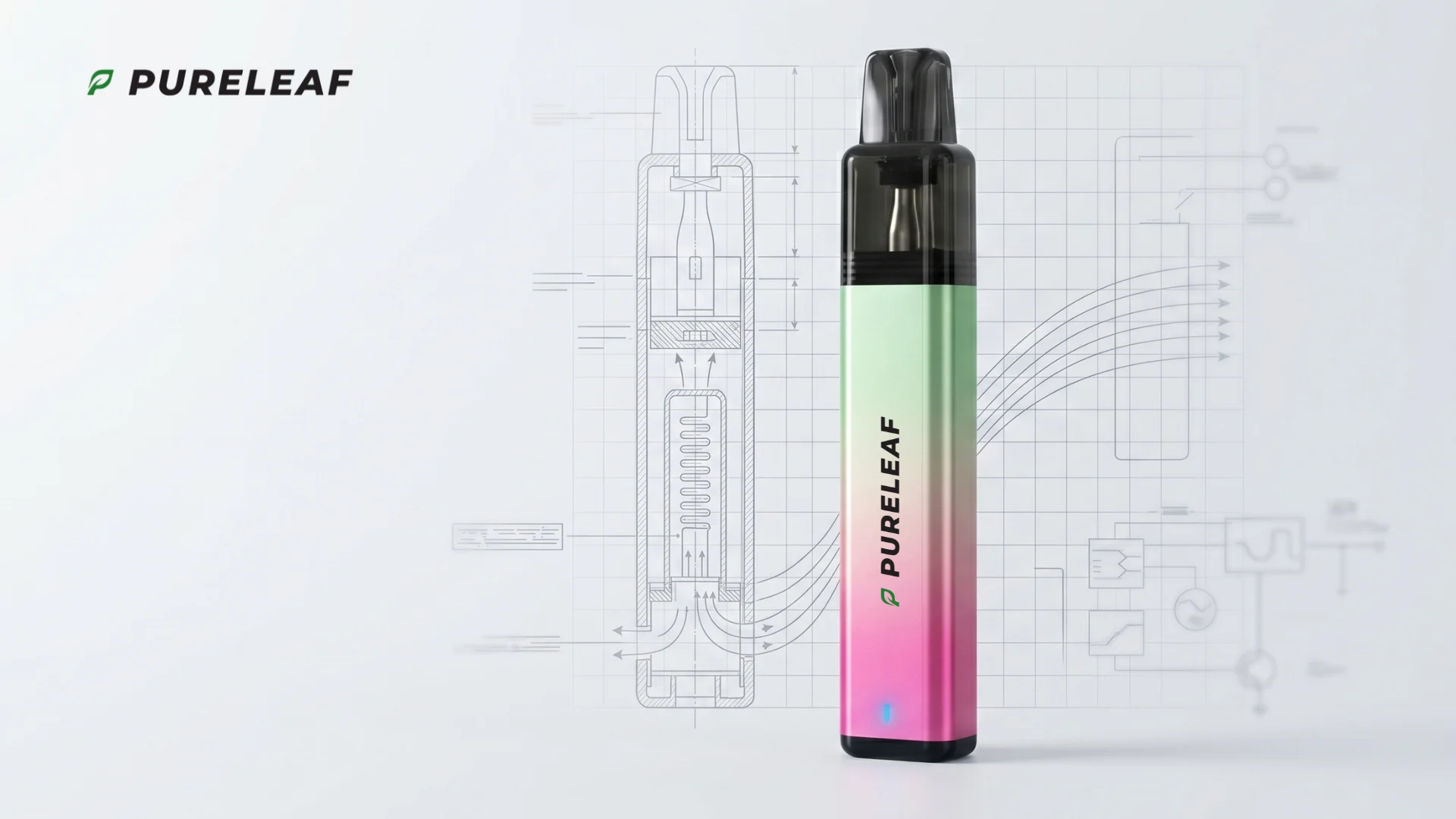
Modern vapour devices are integrated engineering systems developed through the combined effort of mechanical engineering, electrical engineering, and material science. These fields do not work separately. They operate together as a single coordinated system. Each discipline has a defined responsibility, and the overall performance depends on how well these parts work together under real operating conditions.
The design process does not focus on a single component. Instead, it focuses on how structure, energy flow, airflow movement, and thermal behaviour interact within one system. From an engineering point of view, the goal is controlled energy transfer and regulated airflow inside a sealed environment that operates without combustion.
Mechanical engineers manage structure and stability. Electrical engineers control energy storage and distribution. Material specialists study how substances behave under heat and airflow. When combined, these roles create a system that is stable, predictable, and consistent in operation.
01 - System Architecture: How the Device Is Organised Internally
A vapour device is built as a layered system where every section performs a specific engineering function. The outer body acts as a protective shell that defines the shape of the device and shields internal components from external damage. Inside this structure, the device is divided into functional zones.
These zones include first the energy section, second the control section, third the airflow section, and fourth the thermal processing section. This separation prevents interference between heat, electricity, and airflow. At the same time, the system remains connected so that all parts can function together efficiently.
Engineers design the internal layout to reduce energy loss and improve consistency. Each subsystem is allowed to perform its function without disrupting others. This balance between separation and connection defines the core architecture of the device.
02 - Airflow Pathway: How Movement Inside the Device Is Controlled
The airflow system guides air through the device in a controlled and predictable manner. It is designed using fluid dynamics principles, which explain how air behaves under pressure inside confined spaces. The internal channels are shaped so that airflow remains smooth and stable without unnecessary resistance.
The airflow process follows three stages. First air enters through the intake points. Second, it travels through the internal chamber, where it interacts with the thermal zone. Third, it exits through the mouthpiece, which delivers the final airflow outward.
The mouthpiece is designed to maintain smooth delivery while preventing blockage or condensation. It ensures that airflow remains consistent from start to finish under normal operating conditions.
03 - Energy System: How Power Is Generated and Controlled
The electrical system provides the energy required for operation. It includes a battery unit, a regulation circuit, and a safety control system. The battery stores energy. The circuit manages distribution. The control system ensures stable and safe operation.
The system works through three stages. First energy storage, second energy regulation,n and third energy delivery. These stages must remain balanced to maintain stability. Without proper regulation,n the system may become unstable or inconsistent during operation.
Electrical engineers design the system to maintain efficiency and safety together. They ensure that power output remains steady even when conditions change. The system is also built to respond quickly and accurately to user input while protecting internal components.
04 - Thermal System: How Heat Is Created and Managed
The thermal system converts electrical energy into controlled heat through a regulated heating element. This process does not involve burning. Instead, it relies on controlled temperature management to maintain a stable thermal environment.
The system operates in three stages. First low activation, second controlled heating, and third stabilised performance. Each stage ensures that the temperature remains within safe and functional limits.
Temperature control is essential. If the heat level is too low, performance becomes inefficient. If it is too high, the system can lose stability. Feedback systems constantly monitor temperature and adjust output to maintain balance.
05 - Internal Chamber: Where Material Interaction Happens
The internal chamber is the central zone where airflow and heat interact with the material. It is designed to isolate electrical components while allowing controlled exposure to thermal conditions.
This chamber performs three functions. First, it stores the material. Second, it exposes it to heat. Third, it allows airflow to carry the output through the system. Engineers design this section to ensure uniform distribution of heat and stable system behaviour.
06 - Control System: The Decision-Making Layer
The control system acts as the brain of the device. It coordinates airflow energy and thermal behaviour. It includes sensors, microcontrollers, and feedback loops that continuously monitor internal conditions.
The system operates in three steps. First detection, second processing, and third response. It detects input processes and data, and produces controlled output. This creates a stable cycle of real-time adjustment.
From an engineering perspective, this ensures precision, safety, and reliability across changing conditions.
07 - System Integration: How Everything Works Together
The performance of a vapour device depends on how well all systems are integrated. Mechanical structure, electrical supply, airflow, and thermal control must operate as a single unified system. If one part fails to coordinate, the entire system becomes inconsistent.
Engineers use repeated testing and refinement to improve integration. Each subsystem is adjusted until balance is achieved. The final goal is not individual performance but overall system harmony.
In the broader industry context, brands such as Pureleaf are sometimes referenced within the herbal vapour category as part of discussions around modern smoke-free alternatives. However, from an engineering and regulatory standpoint, such products should be understood as consumer devices within a controlled and regulated market.
Any interpretation of effects or outcomes, such as changes in smoking behaviour, should be treated carefully and should not be assumed as guaranteed or medically established without scientific validation and regulatory approval.
Conclusion
A vapour device represents a complete engineering system where multiple disciplines work together. Mechanical engineering provides structure, electrical engineering provides power and control, and material science ensures stability under thermal and airflow conditions.
When combined, these systems correctly create a controlled and predictable operating structure. The design reflects core engineering principles such as energy regulation system balance and functional separation.
From an academic point of view, these devices are applied engineering systems that demonstrate how different fields combine to produce a unified and structured outcome.
Frequently Asked Questions
What is a vapour device in engineering terms?
A vapour device is a multi-system engineered product that combines structural design, electrical control, airflow management, and thermal regulation to create a controlled internal operating system.
What are the main components of the system?
The main components include the outer structure, airflow channels, energy storage system, control electronics, thermal element, and internal chamber. Each part performs a specific engineering role.
Why is system regulation important?
Without proper regulation, the system can become unstable or inconsistent because energy airflow and heat must always remain balanced for proper operation.
What is the role of system integration?
System integration ensures that all subsystems work together smoothly so that the device performs as a single coordinated unit rather than separate independent parts.
Is Pureleaf an engineering example in this context?
Pureleaf can be referenced in general industry discussions as part of the herbal vapour product category, but its performance or effects should not be interpreted as guaranteed or medically verified outcomes.