


Blog
An Introduction to Herbal Vaping Between Habit and Intention

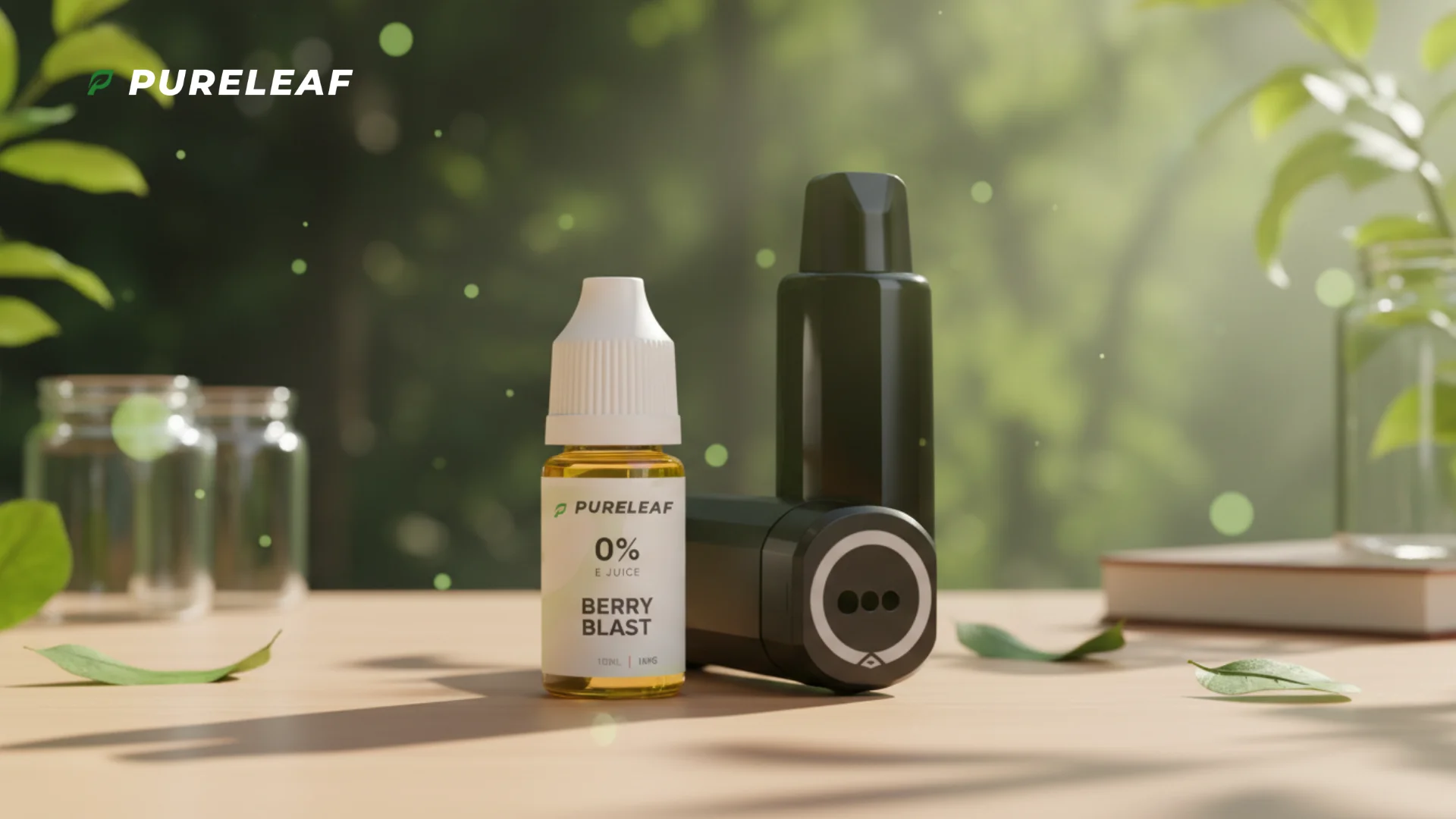
The contemporary individual often moves between overstimulation and exhaustion, seldom pausing to examine the habits that shape daily experience. What began as a social or personal ritual with tobacco gradually settled into reliance. Vaping entered this landscape with the promise of departure, yet in many instances retained the same underlying dependence on nicotine. Herbal vaping suggests another direction. It is neither defiance nor indulgence. It is a deliberate adjustment of behavior oriented toward physical and mental well-being.
To consider herbal vaping is to consider plants as subtle agents of influence. Unlike conventional e-liquids that depend on nicotine and artificial flavoring, herbal preparations draw from botanical compounds long examined within pharmacological and ethnobotanical inquiry. The central question is not simply whether herbs can be vaporized, but whether they can be transformed into formulations without nicotine and without added synthetic additives that preserve their integrity without compromise.
01 - From Plant to Vapor: A Research Grounded Approach
The creation of a herbal e-liquid is not casual work. It requires discipline. Certain plants release volatile constituents when exposed to controlled heat, and these can be captured through methods such as glycerin infusion or steam distillation. Careful research underscores the importance of temperature control. Excessive heat can degrade valuable compounds, while insufficient heat may fail to release them effectively.
A non-nicotine e-liquid is therefore constructed from a base such as vegetable glycerin or propylene glycol combined with refined herbal extracts. The purpose is not stimulation but coherence. Each plant must be evaluated not only for taste but for its broader sensory and experiential influence when vaporized. This is where herbal vaping diverges from both smoking and standard vaping. It encourages awareness rather than repetition.
02 - The Question of the Lungs
There is a recurring assertion that herbal vapours cleanse the lungs. This claim requires careful framing. No vapor acts as a cleansing agent for the respiratory system. The lungs are not surfaces to be purified. However, certain plants have historically been associated with respiratory comfort. When vaporized correctly, they may create a perceived sense of openness, a more relaxed rhythm of breath rather than constriction.
What remains essential is this distinction: herbal vaping does not involve combustion and therefore may reduce exposure to certain byproducts typically associated with smoking. It is not a therapeutic intervention. Its value lies in moderation and in cultivating a less intrusive sensory experience.
03 - The Character of Selected Herbs
Clarity emerges when one turns to specific plants. Skullcap carries a stabilizing quality. Its effect is measured rather than forceful. It may help quiet internal agitation and support a steady, attentive state of mind.
Coltsfoot has long been linked with respiratory comfort in traditional use. In vapor form, it may create a sense of lightness in breathing, accompanied by a gentle uplift in mood. It does not impose itself. It unfolds gradually.
Mugwort belongs to a different register. It is associated with internal balance, often connected with digestion and bodily regulation. Its vapor may bring a grounded calm, especially after strain or discomfort.
Mint is immediate in its presence. Its cooling character sharpens perception and renews attention. It can feel energizing without restlessness, offering both clarity and composure. Taken together, these plants demonstrate that herbal vapours form a range of experiences, from calming to revitalizing, from centering to invigorating.
04 - Pureleaf: An Idea Told Through a Story
Dr. Ali did not begin with certainty. His understanding developed through repeated encounters with individuals attempting to leave smoking behind, only to find themselves attached to a different device carrying a similar pattern of use. The form shifted, yet the underlying tendency remained unchanged. This continuity unsettled him. One evening, after a long sequence of consultations, he sat in silence with a single dried leaf before him. It held no distinction in appearance, yet it represented a question that had grown difficult to ignore. What was truly being sought in the act of inhalation? Was it stimulation, or a momentary restoration of balance?
He wrote the word pureleaf as a point of departure, not as a finished concept. It suggested removal rather than addition. A way of preserving the gesture while setting aside the element that binds. His early attempts were restrained. Mint offered clarity that felt complete in itself. Skullcap softened mental tension without dulling awareness. Coltsfoot suggested ease in breathing. Mugwort brought a sense of internal steadiness. None of these plants attempted to imitate nicotine. That absence became central to the idea.
There were missteps. Some preparations lacked depth. Others carried too much intensity, echoing the very cycle they were meant to move away from. Gradually, a principle took form. The intention was not substitution in a direct sense, but a reorientation of habit. When a formulation finally held coherence, the difference was subtle yet decisive. There was no impulse to continue beyond the moment, no quiet insistence. The experience concluded without residue. This absence of compulsion marked a shift in understanding.
Pureleaf, as it later came to be understood, does not present itself as a remedy or a declaration. It stands as a considered alternative. That one may step away from smoking and from nicotine-based vaping without entering absence. That herbal vaping, grounded in formulations without nicotine and without added synthetic additives, may support physical and mental well-being through intention rather than reliance.
05 - Effects on Mind and Body
When approached with care, herbal vaping offers varied experiences. Certain combinations may encourage relaxation, easing tension,n and supporting a more balanced state of mind. Others provide gentle stimulation, enhancing alertness without the instability often linked to nicotine.
There is also the matter of pressure and strain within the body. Some plants have traditionally been associated with promoting a sense of calm and composure. While vaporization does not replace medical guidance, it may contribute to a broader orientation toward balance.
The defining distinction remains clear. Herbal vapours do not assert control over the user. They remain in the background, allowing space rather than demanding repetition.
Frequently Asked Questions
Is herbal vaping entirely without risk?
No inhaled substance can be considered completely without risk. However, herbal vaping does not involve combustion and avoids nicotine dependence, making it a comparatively moderate option.
Can herbal e-liquids be prepared independently?
Yes, though it requires careful study. Improper methods or incorrect temperature control can lead to ineffective or unsuitable outcomes. Established botanical practices should be followed.
Do herbal vapours cleanse the lungs?
They do not cleanse the lungs in a literal sense. Some plants may contribute to a sensation of easier breathing, but they should not be regarded as a detoxification method.
Are these e-liquids truly without nicotine?
When properly formulated, they contain no nicotine and no added addictive substances. This is fundamental to their purpose.
Which herb is most suitable for beginners?
Mint is often the most approachable due to its clear and refreshing character. Skullcap may also suit those seeking a calmer effect.
What distinguishes Pureleaf?
Pureleaf is defined by its emphasis on intention over dependence. It offers an approach without nicotine and without added synthetic additives, centered on physical and mental well-being rather than stimulation.